Empowering Survivors: Holistic Approaches to Cancer Care and Support
Navigating the cancer journey can feel like embarking on an uncharted path, filled with uncertainty and challenges. When faced with a diagnosis of carcinoma or any type of malignancy, it's common to feel overwhelmed, grappling with symptoms, treatment options, and what lies ahead. However, a holistic approach to cancer care can pave the way for not just survival, but for thriving through the journey. Remember, 'Healing takes time, and asking for help is a courageous step.'
Holistic health recognizes the interconnectedness of the mind, body, and spirit. Instead of solely focusing on the tumor or the aggressive treatments commonly associated with oncology, this approach encompasses physical health through diet and exercise, mental health through therapy and support systems, and emotional well-being through community connections and healing practices. For those navigating their way through cancer, integrating these elements can significantly impact recovery and quality of life. Have you considered how lifestyle changes might elevate your health during treatment?
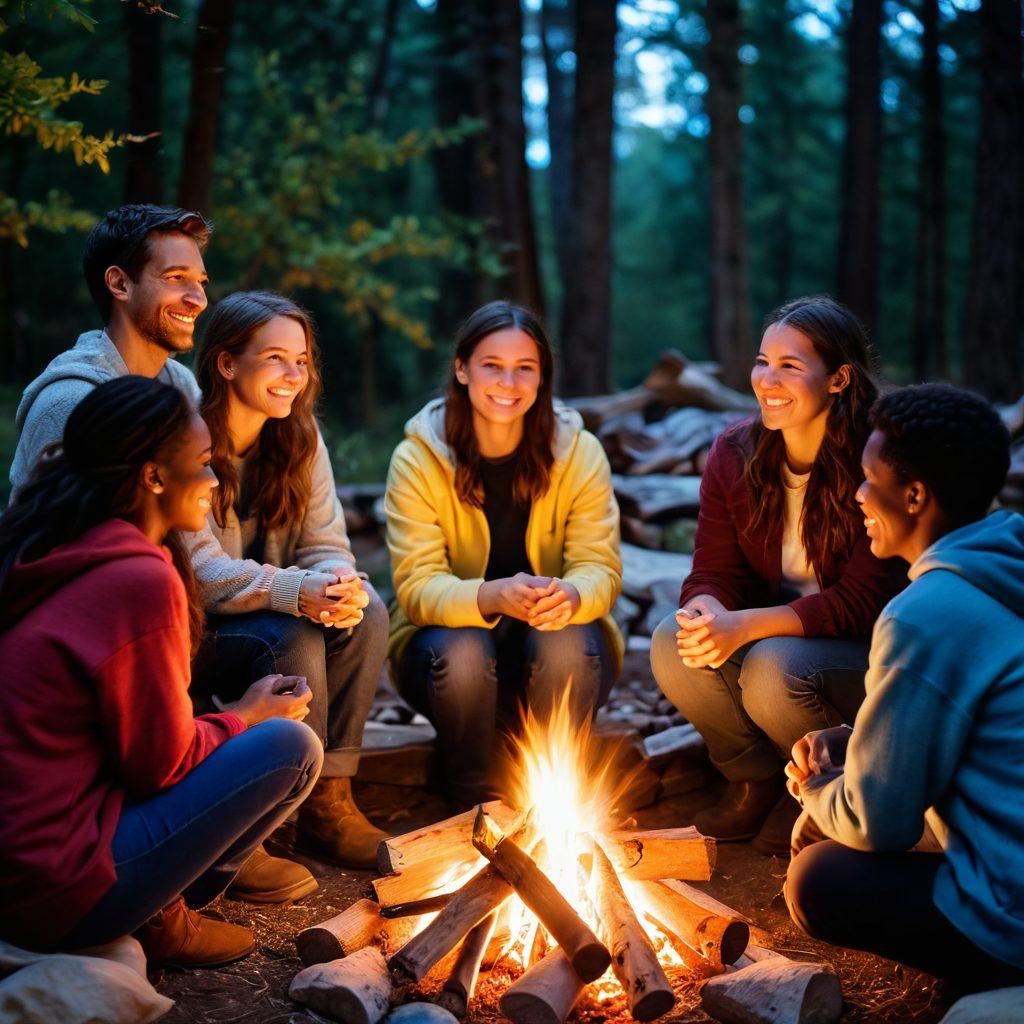
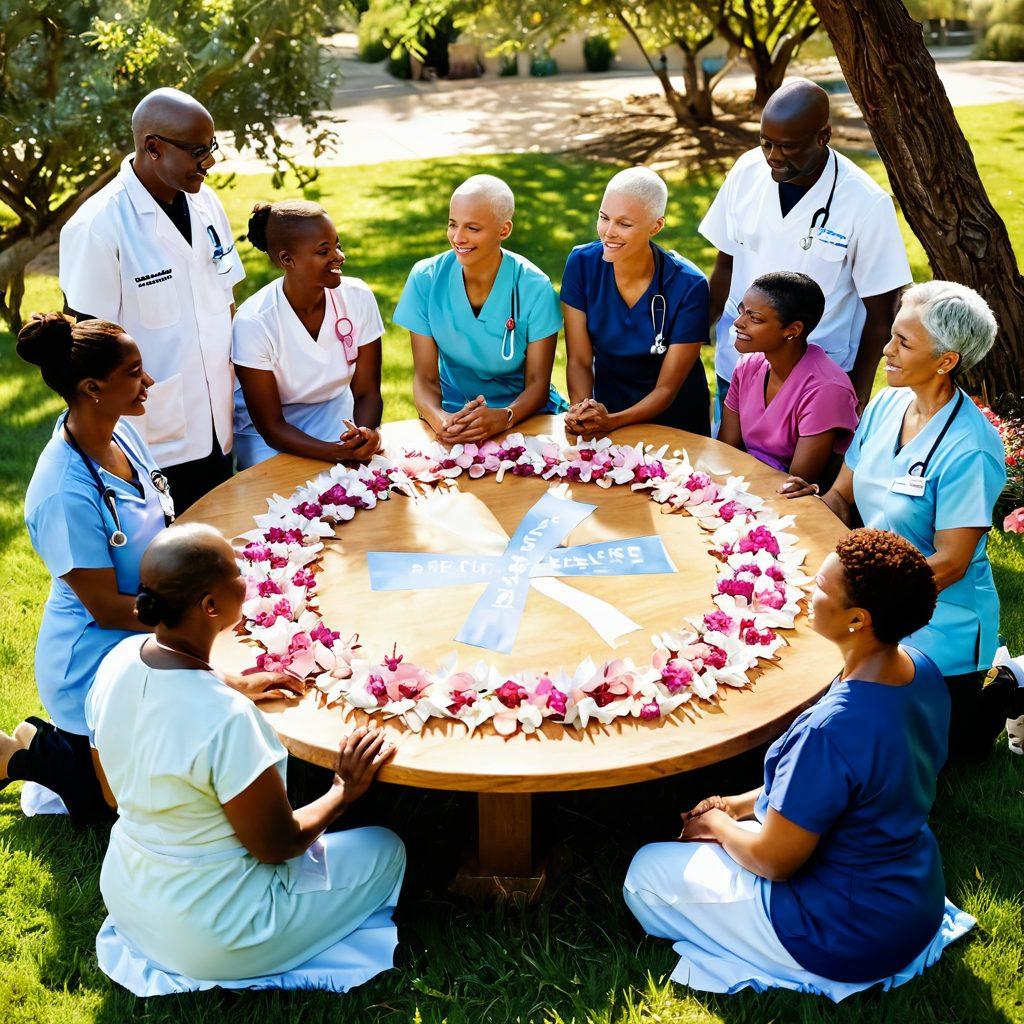
Cancer support groups often serve as invaluable resources for survivors. These communities offer a safe space to share experiences, challenges, and triumphs—gaining insights from peer support makes all the difference. In those circles, survivor stories come alive, giving hope and inspiration to those currently fighting. Whether online or in-person, connecting with others who walk a similar path can lead to increased awareness around the needs of patients and their families, contributing to important advocacy for improved cancer care and research. How might sharing your journey enhance someone else's?
Evidence has increasingly shown that the integration of mental health care in oncology palliative care can enhance patient outcomes. Amidst the clinical trials and research studies exploring immune therapy and alternative therapies, emotional support systems help alleviate the cumulative stress that often accompanies a cancer diagnosis. Tending to our mental health shouldn't be treated as a secondary concern; it deserves just as much attention as managing physical symptoms. What are some self-care practices you've found rejuvenating?
Finally, don't underestimate the power of advocacy and patient resources available today. Many nonprofit organizations carry out awareness campaigns, aiding individuals in navigating treatment and recovery. They provide education on prevention and ongoing health management, ensuring that you are equipped with the tools necessary for making informed decisions. Remember, you are not alone on this journey; community support exists hand-in-hand with comprehensive healthcare. So, what steps will you take to empower yourself as you forge ahead?
Harnessing Community Strength: The Role of Support Groups and Survivor Stories
In the face of a cancer diagnosis, there lies an unyielding spirit within the community that often goes unnoticed. While many individuals battle through the imposing shadows of oncology with their own strength, the profound power of community cannot be undervalued. Support groups and survivor stories are more than just networks of individuals; they are lifelines that not only educate but empower those who are navigating their way through the complexities of malignancy, treatment options, and recovery. How often do we stop to think about the incredible transformational journey of cancer survival?
Support groups function as safe havens where individuals can share their experiences with carcinoma, discuss symptoms, and clarify treatment options. These gatherings create a space ripe for peer support—an opportunity for connecting with others who understand the myriad feelings that arise during diagnosis and treatment. As a participant in a local cancer support group once said, "Before I joined, I felt alone in my fight, but now I know I'm not just another patient; I am part of a vibrant community that pushes me toward hope and healing." Life-altering experiences become less burdensome when shared.
Perhaps one of the most inspiring aspects of these groups is the treasure trove of survivor stories. These narratives shine like beacons of hope, reminding those battling tumors that there is life beyond diagnosis and treatment. From advocating for alternative therapies to emphasizing the importance of lifestyle changes that can influence well-being, these storytellers often illuminate pathways that may have seemed dark and uncertain. Just as self-care should be as essential as clinical trials in one's cancer journey, these narratives continuously inspire discussions around prevention, mental health, and holistic health—encouraging everyone to become an active participant in their own healing process.
Moreover, nonprofit organizations play a pivotal role in the journey surrounding cancer—offering patient resources and creating community support initiatives through awareness campaigns. It encourages advocacy for better healthcare practices and access to invaluable information about immune therapy and palliative care. Imagine a world where awareness about various treatment options translates into accessible research studies, paving the way for a future where no one feels they must walk through their cancer journey in isolation. That world is within our reach, and it starts with amplifying voices through community strength.
The essence of community support expands beyond mere camaraderie; it becomes a holistic approach to wellness. Engaging in conversations about symptoms, preventive measures, and alternative therapies ensures that no question goes unanswered. The intricate relationship between mental health and cancer survival cannot be overlooked either; a supportive environment can effectively combat the anxiety that arises from the unpredictability of cancers and their treatment. Together, let’s continue to create networks where our stories intersect, allowing us to harness the strength of shared experiences and empower one another through this undeniably challenging journey.
From Diagnosis to Empowerment: A Comprehensive Guide to Cancer Care and Prevention Strategies
Cancer, a word that can send shivers down anyone's spine, encompasses more than just diagnosis or treatment. It embodies stories of resilience, fear, triumph, and empowerment. From the very moment of diagnosis, a person's life takes a monumental shift as they contend with the whirlwind of healthcare decisions, emotional rollercoasters, and lifestyle changes that follow. But while the journey may seem daunting, it is also filled with opportunities - opportunities for holistic health, self-care, and community support that not only address the physical aspects of malignancy but also nurture mental well-being. How can we transform the narrative of cancer care into one that inspires and empowers?
When we talk about holistic approaches to cancer care, we initially think of treatment options like immune therapy, chemotherapy, or surgeries to address the tumor. However, it goes so much deeper than that. It includes understanding the symptoms and diagnosis, but equally weighs in on the psychological aspect - the mental health of the survivor. Consider a powerful quote by cancer survivor, "Cancer may have started the fight, but now I'm in charge of how it ends." Survivors often learn that they are the authors of their own stories. As they navigate the complexities of palliative care and explore alternative therapies, they become advocates not just for themselves but also for others fighting similar battles.
Engagement with cancer support groups can be a profound turning point in any survivor's journey. These peer support networks provide a sense of belonging that is often critical in the fight against carcinoma. Sharing survivor stories creates a tapestry of experiences that can help ease the feelings of isolation. Moreover, awareness campaigns highlight the importance of cancer education and prevention. Engaging in these communities may not only equip individuals with the resources they need but also link them to wonderful nonprofit organizations dedicated to supporting patients through their journey.
But what about prevention? While we often focus on treatment post-diagnosis, lifestyle changes can be a formidable weapon in reducing the risk of cancer. Eating a balanced diet, exercising regularly, and managing stress through practices like meditation can improve not only physical health but mental well-being as well. Research studies consistently show that a healthy lifestyle significantly lowers the chances of developing malignancy. Are you ready to take the first steps toward prevention? You have the power to change the narrative from survival to thriving.
As we embrace this comprehensive guide to cancer care, it’s imperative to remember that each survivor’s experience is unique. Advocacy is key - advocating for yourself, your health, and your well-being can forge a brighter path not only for you but for future generations. By participating in clinical trials, learning about emerging research in oncology, and seeking out patient resources, we can create an informed populace ready to tackle the realities of cancer head-on. Lastly, don’t forget the power of community support - through shared experiences, we can rise together, proving that cancer may challenge us, but it will never define us.